

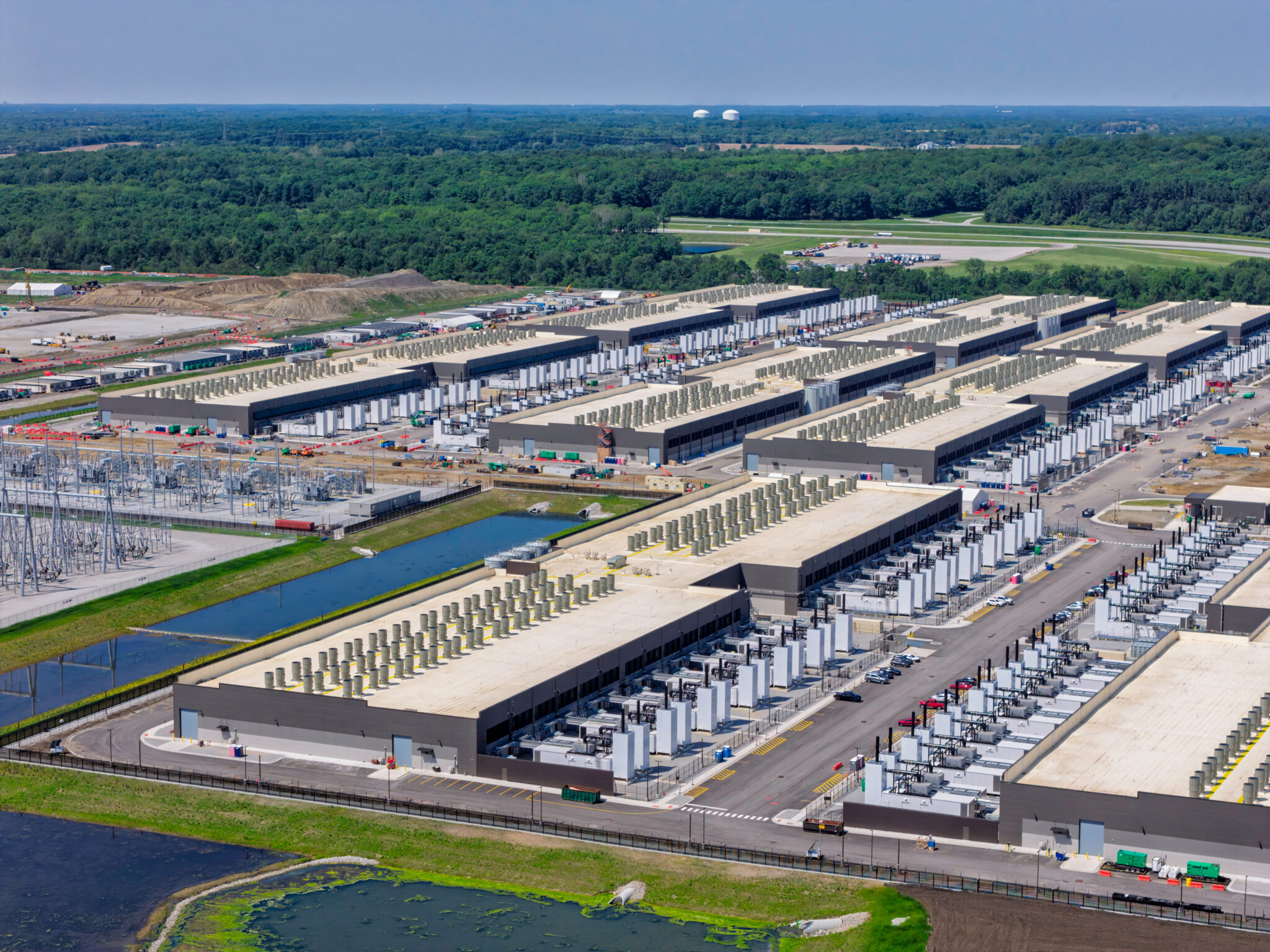
The Expansion of Data Centers
Like many other states, South Carolina has recently been experiencing a surge of interest from data center developers. One of the driving factors behind this is the rise of artificial intelligence (AI), which requires an unprecedented amount of computing power to function at scale. Developers have been building bigger and bigger data centers to meet the needs of AI, cloud computing, and other services, and they have been expanding beyond their historical hotspots in Northern Virginia, Texas, and Silicon Valley. With these big new data centers come big new challenges for conservation.
Energy, Water, and Land
Hyperscale data centers span hundreds of acres, and rural South Carolina offers a lot of relatively low-cost land that developers have found appealing. These industrial facilities can change the rural character of the areas where they are sited, so it is important to evaluate them on a case-by-case basis. Like any other type of development, it is important to evaluate potential impacts to threatened and endangered species, wetlands, old-growth forest, and other critical habitats.
Even more concerning than the land-use impacts of data centers are their consumption of enormous amounts of energy and water. Water-based cooling systems are used to protect data center servers from damage due to overheating, and their water usage can be staggering. For example, Google’s Monck’s Corner data center, which began operations in 2007, reported using 662 million gallons of water in 20221. When data centers utilize already-strained water sources, or are not sufficiently transparent about their usage, it can potentially put water availability at risk for other uses, particularly during extended droughts. In some cases, data centers have secured water access rights that supersede preexisting community needs, including drinking water and agricultural irrigation.
The gargantuan energy demands of hyperscale data centers can be even more problematic than their water usage. There is also a tradeoff between the two because water-based cooling is more energy efficient than the alternatives, and power plants use a lot of water too. Data centers put a serious strain on our natural resources, particularly at the energy-water nexus, and not enough is being done to plan for sustainability or evaluate the opportunity cost of not being able to use those resources for potentially more beneficial purposes. Data centers are responsible for most of the growing demand for electricity in our state. However, the rest of us could be held responsible for much of the cost.
Subsidies and Rising Energy Costs
South Carolina offers generous subsidies to attract data center developers. These include state sales tax exemptions for their computing equipment, as well as the electricity they purchase. In addition, counties typically offer fee-in-lieu agreements that significantly reduce their property tax liabilities. Another form of subsidy comes through the structuring of their electric rates. The electric utilities have offered discounted rates to data centers that can end up being less than half as much as the rates paid by residential customers. Even without these so-called economic development rates, the surge in demand for electricity being driven by data centers is triggering the need for billions of dollars in new electrical system upgrades, and most of those costs are spread across the entire customer base through rate increases that often disproportionately impact residential customers2.
Methane Gas, Coal, and Diesel Generators
To meet the rising energy demand from data centers, electric utilities are delaying coal plant retirements and rushing to invest billions of dollars in new methane gas power plants. The new gas plants also require new pipelines to fuel them, which could result in the seizure of private property through eminent domain and adversely impact critical wildlife habitats like the ACE Basin. While methane gas is somewhat cleaner burning than coal, it still releases harmful air pollutants that threaten public health, including nitrogen oxides, particulates, and volatile organic compounds. Proximity to gas-fired power plants is associated with worsened respiratory and cardiovascular health and can lead to increased rates of hospitalization and premature death due to asthma attacks and heart attacks among vulnerable populations. Methane itself is also a potent greenhouse gas that can have up to 80-times the warming effect of carbon dioxide over a 20-year period, and it inevitably leaks all along the supply chain during the multidecadal lifecycle of a power plant. Data centers also utilize banks of diesel backup generators, which release even more air pollution per unit of energy produced than gas plants. While these generators typically do not run much throughout the year, they can have significant short-term impacts on local air quality during routine testing and power outages.
What is there to be done?
If you agree that families and small businesses in South Carolina should not have to subsidize data centers or suffer their harmful impacts on public health and the environment, please join us in speaking out to our elected officials and regulators. Many of these data centers are being built by some of the wealthiest corporations in the world, and they can afford to do better. You can also donate here to help us in our fight to protect the natural environment of South Carolina for the benefit of all.
References
1. https://www.datacenterdynamics.com/en/news/google-associated-company-buys-143-acres-in-south-carolina/
2. https://www.nytimes.com/2025/05/16/business/energy-environment/data-centers-utilities-electricity-bills.html