
Our Work
Our team is first to engage on the ground, bringing community members to the table to advocate our coastal communities.
We are the boots on the ground, connecting folks with key information so they stay informed and engaged.
- Land Use Planning
Retrofit of Suburbia
“Suburban sprawl, now the standard North America pattern of growth, ignores historical precedent and human experience. It is an invention, conceived by architects, engineers, and planners, and promoted by developers in the great sweeping aside of the old that occurred
- Land Use Planning
Johns Island Community Plan and Code
The Johns Island Community Plan was adopted by the City of Charleston in November 2007 to address growth pressure and widespread concerns that without adequate land use and development regulations, the Island’s scenic roadways, pristine natural surroundings and agricultural heritage
- Resilient Coastal Communities
Awendaw
The small rural town of Awendaw, in northern Charleston County, is located between the Cape Romain National Wildlife Refuge and the Francis Marion National Forest. Almost completely rural, some of the elected leaders in recent years have zoned the town

- Resilient Coastal Communities
Charleston Area Waste and Recycling
Waste Management’s Oakridge Landfill in rural Dorchester County is South Carolina’s third largest landfill, consisting of more than 83 acres of property. It is located at the edge of Four Holes Swamp—home to the Francis Beidler Forest, in the headwaters
- Land Use Planning
I-73 in South Carolina
Most Endangered River Designation On April 16, 2024, the Little Pee Dee River was announced as one of America’s Most Endangered Rivers® for 2024, a list of rivers at a crossroads, where key decisions in the coming months will determine
- Land Use Planning
SC Highway 22 Extension / Southern Evacuation Lifeline
The Conservation League has been fighting for years to stop a road across the Waccamaw River that would open western Horry and Georgetown Counties to sprawling development, destroying some of the region’s most pristine areas and impacting the Waccamaw National
- Energy & Climate
Efficiency First in South Carolina
BACKGROUND Energy efficiency is less expensive, yields larger economic returns, results in greater social benefits, and promises superior environmental performance to all other available energy resources. It also presents a unique opportunity to alleviate inequitable home energy cost burdens that
- Energy & Climate
Climate Change and South Carolina
Climate change is damaging South Carolina’s economy and livability. The impacts will get much more severe over time and disproportionately harm disadvantaged communities, who are least responsible for its causes and have fewer resources for adaptation and recovery. Our state
- Energy & Climate
South Carolina’s Wind Energy Potential
South Carolina is ideally positioned to capture a substantial share of the growing wind energy market in the United States. Already home to international wind component manufacturers like General Electric, IMO Group, and Prysmian, South Carolina has the potential to
- Land Use Planning
Conservation Bank
The South Carolina Conservation Bank (Bank) is the state’s most important land protection tool and funding source for land conservation. We continue to advocate for full funding of the agency as well as educate elected officials and the public on
- Wildlife & Waterways
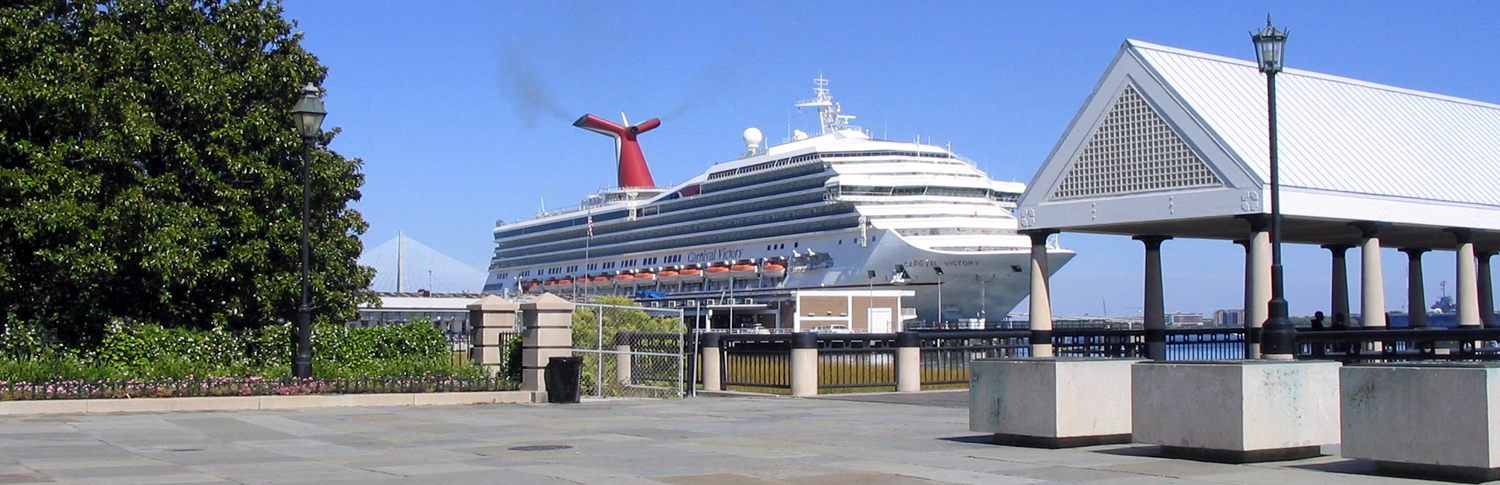
Cruise Ships in Charleston
Over the years, the South Carolina State Ports Authority (SPA) has increased cruise ship operations and applied for permits to build a new passenger terminal vastly larger than the current one. This has a direct impact on Charleston and because
- GrowFood Carolina
Voluntary Agricultural and Forestal Areas
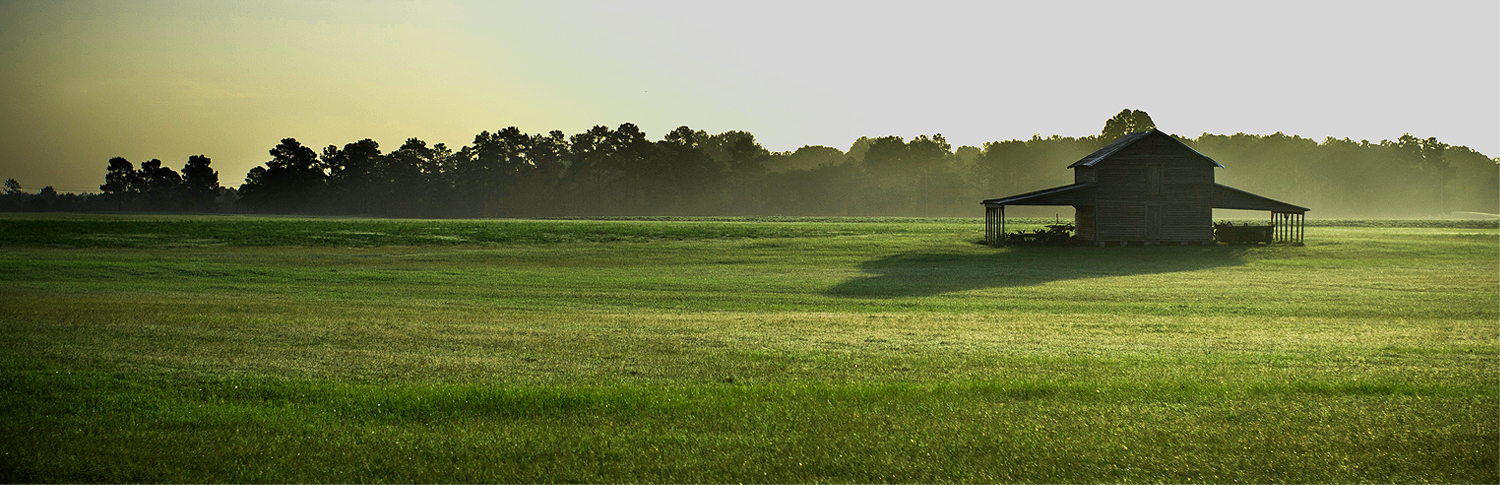
The rural areas of Charleston County are highly threatened by encroaching development. There is a strong agricultural history in these areas, particularly on Johns and James Island. Furthermore, these farms are the best resource for local food in the Charleston
- Land Use Planning
Bicycle and Pedestrian Access
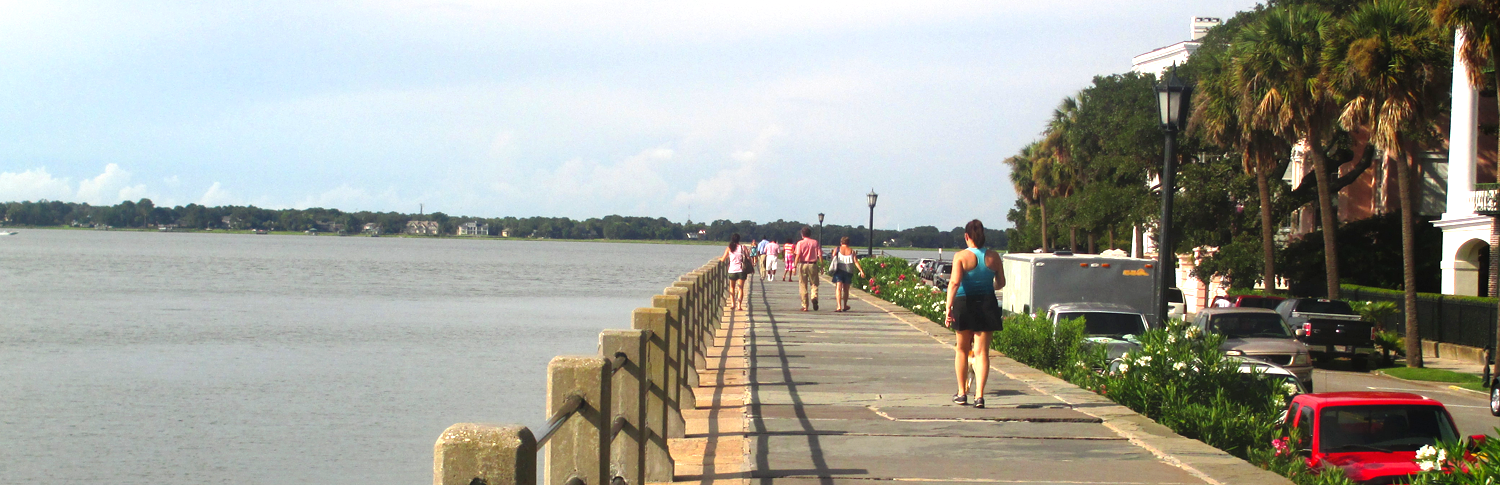
As the City and County of Charleston planned for growth, bicycle and pedestrian infrastructure was recommended. As these plans are implemented, the importance of biking and pedestrian access seems to recede to the background. In January of 2012, the South
- Resilient Coastal Communities
James Island Vision
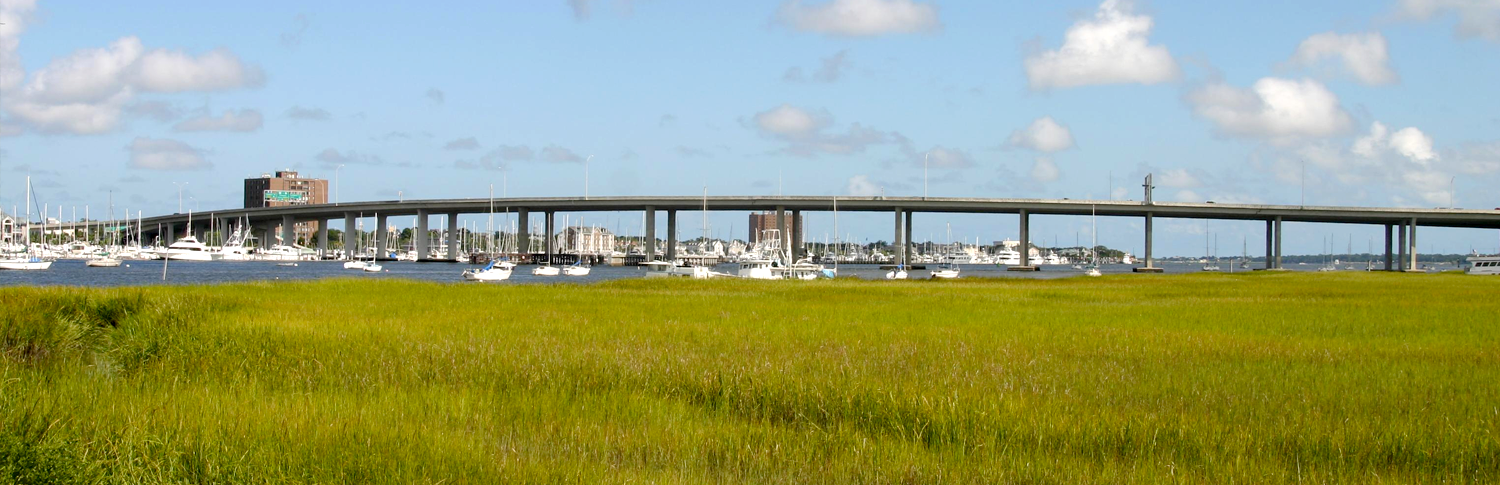
When we think of James Island, most people think of tree-lined corridors, historic sites like McLeod Plantation, and a spirit of independence. Some portions of James Island, such as Folly Road, were not necessarily planned with a sense of community

- Energy & Climate
Solar in South Carolina
Solar in South Carolina is growing: According to the US Energy Information Administration, the amount of large-scale solar increased 20-fold in 2017. By 2022, solar made up 3% of the state’s net generation of electricity, which represented about a 400%