WHAT IS THE COMPREHENSIVE PLAN? The Comprehensive Plan is the overarching planning document that outlines goals for the next decade of growth in the City of Charleston. The plan guides local decision makers in managing change in our city, including
SIGN THE PETITION A commonly used group of rodenticides, referred to as second-generation anticoagulants (SGAs), are imposing lethal impacts to native wildlife. This occurs through a process called secondary-poisoning and can happen when predators or scavengers consume poisoned rats. With
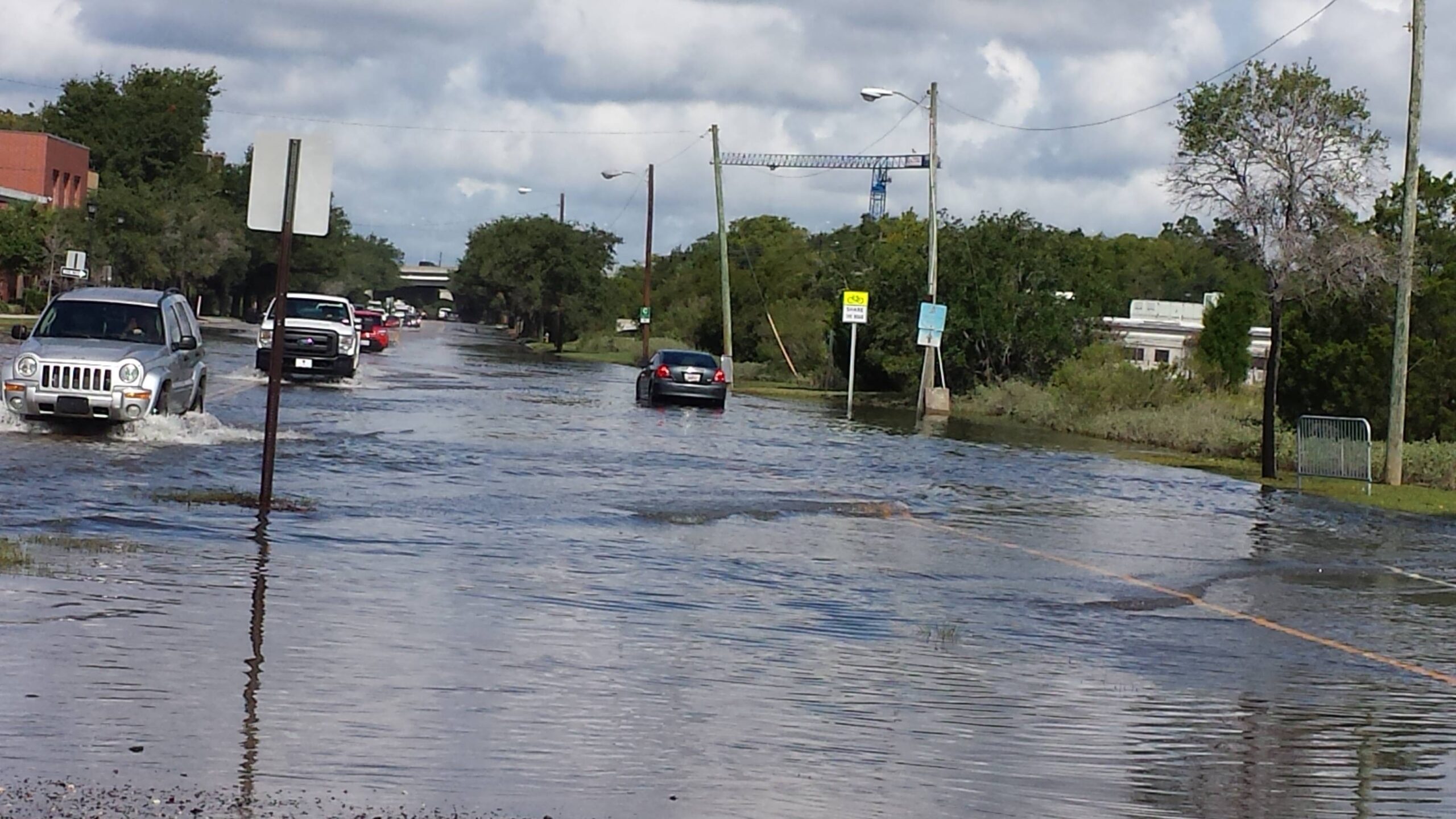
With increasing frequency every year, the City of Charleston finds itself under water. We are on the front lines of a changing climate and sea level rise. Stronger and more frequent rain events, higher seas pushing water further inland with
Google Background Google first applied to triple its allotted groundwater withdrawal from 183 to 549 million gallons (MG) per year in 2016 in order to cool servers at its data center in Berkeley County. The request was met with swift
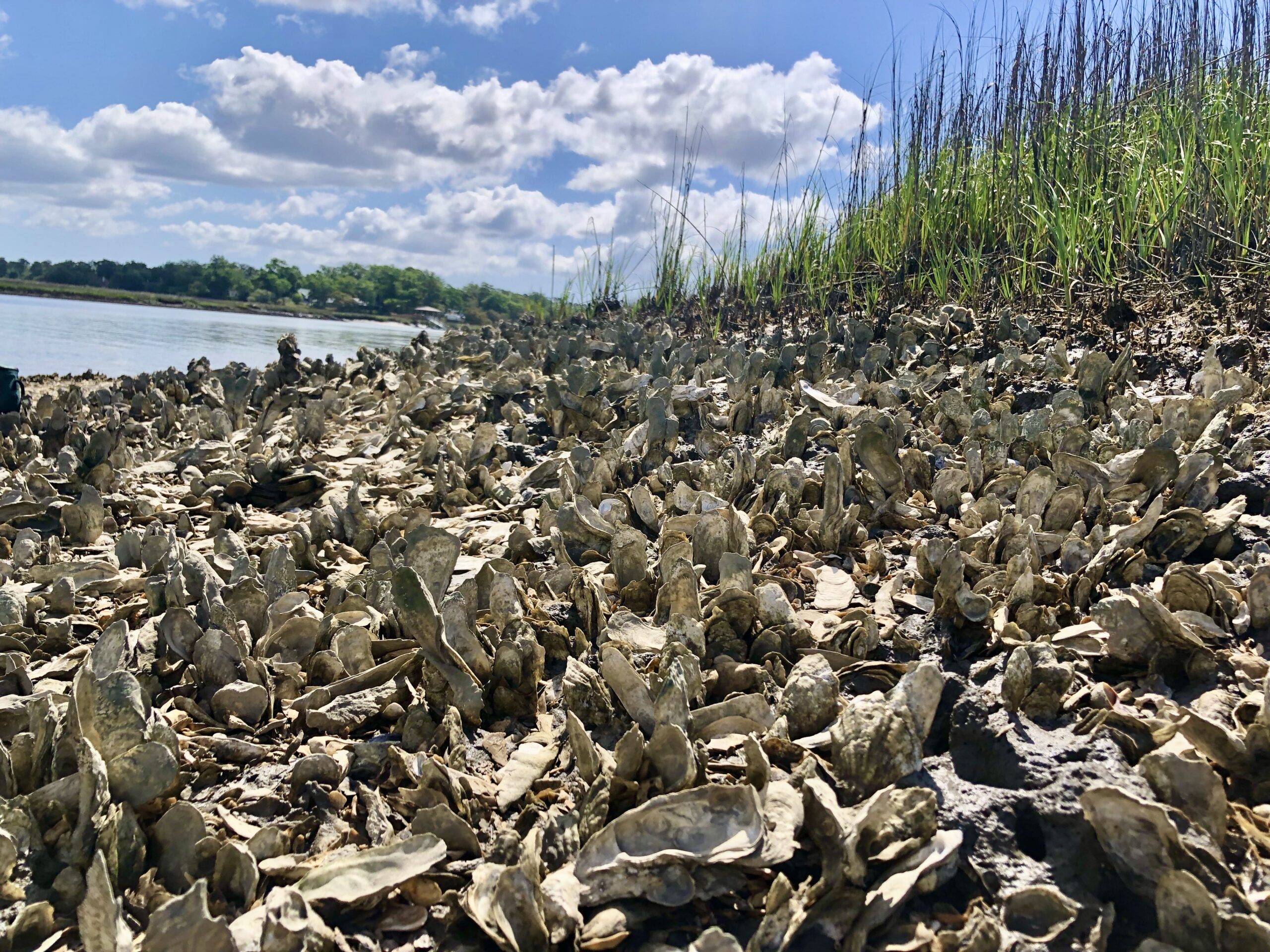
Our wild oyster population Oysters are crucial to our estuaries, providing key habitat for many economically important species like shrimp, blue crab, red drum, and flounder. In total, there are about 120 species that rely on oyster reefs! Along with
Update: In April 2019, as a result of large-scale community opposition to the proposed development, the Town of Moncks Corner Planning Commission voted 4 to 2 to recommend denial to annex Gippy Plantation into the town and rezone the property
Update: Read the Coastal Conservation League’s comments regarding the Town’s consideration of a settlement agreement for Bluestein et al vs. Town of Sullivan’s Island at a Special Meeting on October 2, 2020. You can read those comments HERE. The History
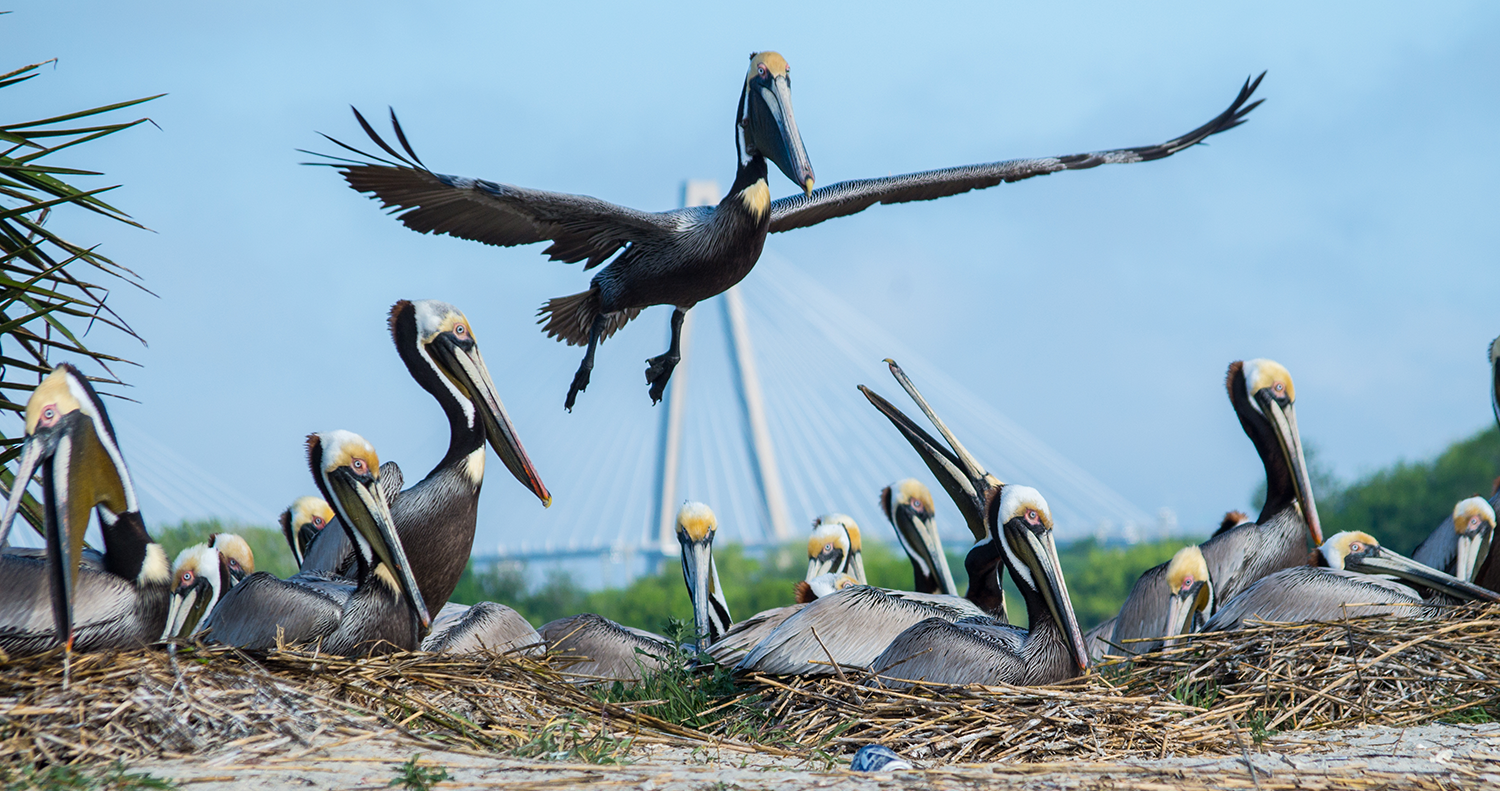
Consider this your one-stop shop for the most current information we have on the Crab Bank restoration project. It doesn’t take much: You can rent a kayak and paddle in 15 minutes to one of the few places on the
Flooding and Drainage Issues Flooding in the Lowcountry is not a new problem. Just ask any resident of Charleston – and you will likely hear a story. Due to its low lying coastal elevation, close proximity to rivers and the
South Carolina is home to precious natural resources that may be plentiful but are not infinite. One such example of this is our water. Whether groundwater or surface water, our state has experienced periods of drought. We’ve seen rivers drop
The 23,828 acre Ashley River Historic District corridor, listed on the National Register of Historic Places, represents more than 300 years of cultural and ecological significance for its association with the Lowcountry’s inland and tidal rice cultivation history, the Civil
PLASTICS IN THE LOWCOUNTRY Plastic litter comes in all shapes and sizes. Pollution from plastic litter is a global problem, but what effect does it have on our South Carolina coast? Single-use plastics include water bottles, food wrappers, to-go containers,